Buy In-Stock Ammunition Now – Ready to Ship Ammo for Immediate Delivery
Running low on rounds right before a range session is a frustrating problem, and having in stock ammunition ready to ship solves that immediate need. This ammunition functions exactly like any other factory-loaded round, seating into the chamber and firing reliably when your firearm cycles correctly. The primary benefit is availability, allowing you to purchase what you need now and maintain a practical reserve for future practice or defensive use. Simply select the correct caliber, confirm compatibility with your weapon, and place your order for direct delivery.
What Does “In Stock” Really Mean for Your Next Range Trip?
Seeing “in stock” on an ammunition listing means the retailer has physical inventory ready to ship, not that your local store has it on the shelf. For your next range trip, this translates to immediate purchase certainty—you can secure the exact caliber, grain, and bullet type you trained with, avoiding the frustration of arriving with mismatched or sub-par practice rounds. However, verify the stock status is for *your* specific load, not a generic SKU that may be backordered. A key insight:
In-stock ammo still requires you to check shipping time—next-day dispatch beats a week-long delay for a scheduled lane reservation.
Always buy a few extra boxes when you see it available, since your next trip hinges on that confirmed availability today, not on a promise for tomorrow.
How Availability Affects Your Buying Confidence
When ammunition is consistently in stock, your buying confidence rises because you can verify availability before committing to a range day, eliminating the anxiety of showing up with insufficient rounds. Conversely, sporadic stock forces you to purchase whatever remains, which undermines confidence in your selection’s reliability and performance. Seeing a steady inventory across calibers signals supply stability, allowing you to plan training without fear of sudden shortages. This transparency shifts your focus from hoarding to intentional purchasing, reinforcing trust in your preparation. Ultimately, consistent availability directly dictates decisive purchasing, as predictable stock levels let you evaluate needs calmly rather than react impulsively to dwindling options.
The Key Difference Between Backorder, Pre-Order, and Ready-to-Ship
Ready-to-ship ammunition means the rounds are physically in the warehouse, scanned, and leave within 24–48 hours—your card is charged immediately. Pre-order locks today’s price on ammo that hasn’t arrived yet, but you wait weeks with zero guarantee of a firm date. Backorder, however, is the riskiest status: you’re queued for a product that may already be oversold by the manufacturer, and delays can stretch indefinitely. Never pay full price upfront on a backorder when a ready-to-ship alternative exists at a similar cost. For a range trip this weekend, only ready-to-ship works; the others are speculative bets.

Q: What’s the key difference between backorder and pre-order?
A: Pre-order is a planned future batch with a set timeline; backorder is an unfulfilled past order with no reliable restock promise.
Why Shelf Inventory Translates to Faster Delivery Times
When an ammunition listing shows shelf inventory, it means the physical product is already boxed, labeled, and stored in a warehouse, not awaiting a manufacturer’s production run. This translates to faster delivery times because the order bypasses the backorder queue and moves directly to packing and shipping. Your purchase is assigned a specific unit from that existing stock, so the only delay is courier transit, not manufacturing lead time. Immediate fulfillment from shelf inventory cuts days off typical processing because there is no waiting for batch production or raw material allocation. The warehouse staff can scan, pack, and hand your order to the carrier the same business day, ensuring your range trip isn’t postponed by supply chain lag.
- Eliminates production wait times since the ammo is already manufactured.
- Allows same-day or next-day dispatch from the fulfillment center.
- Reduces the risk of order splitting or delays from partial shipments.
How to Match the Right Loaded Rounds to Your Firearm’s Specs
Before you grab any box from the shelf, check the caliber marking stamped on your barrel or slide—that’s your non-negotiable starting point for matching loaded rounds to your firearm’s specs. Then, cross-reference your owner’s manual for the exact bullet weight and pressure rating (like +P or standard) it can safely handle. When shopping in stock ammunition, don’t assume a similar cartridge will work; a 9mm Luger round won’t fit a 9mm Makarov chamber, even if the box looks close. Also, compare overall cartridge length to your magazine’s internal dimensions—some longer hunting loads won’t seat properly. If you’re unsure, stick to the cheapest FMJ practice ammo listed for your exact model, and save specialty rounds for firearms specifically rated for them. When in doubt, ask the shop clerk to verify the lot number against your spec sheet before you pay.
Decoding Caliber, Grain Weight, and Bullet Type on the Box
To match in stock ammunition to .50 Cal Ammo for Sale your firearm, decode the box by parsing three data points. The caliber, such as 9mm or .308 Win, must exactly match the barrel stamp, as variances like .38 Special versus .357 Magnum alter chamber pressure. Grain weight, listed in grams or grains (e.g., 115gr vs 147gr), dictates bullet mass—heavier loads produce deeper penetration but slower velocity. Finally, bullet type (FMJ, JHP, or SP) determines terminal behavior; full metal jacket offers reliable feeding, while hollow points expand on impact. For plinking, lower grain full metal jacket suffices, but defensive use demands a jacketed hollow point that meets your barrel’s twist rate. Decoding caliber, grain weight, and bullet type prevents squibs and pressure spikes.
Q: Why does grain weight matter when buying in stock ammunition?
A: Grain weight affects recoil energy and point-of-impact; using a weight outside your firearm’s recommended range can cause cycling failures or keyholing, so always verify it against your manual’s listed options.
Selecting Between Full Metal Jacket, Hollow Point, and Soft Point Options
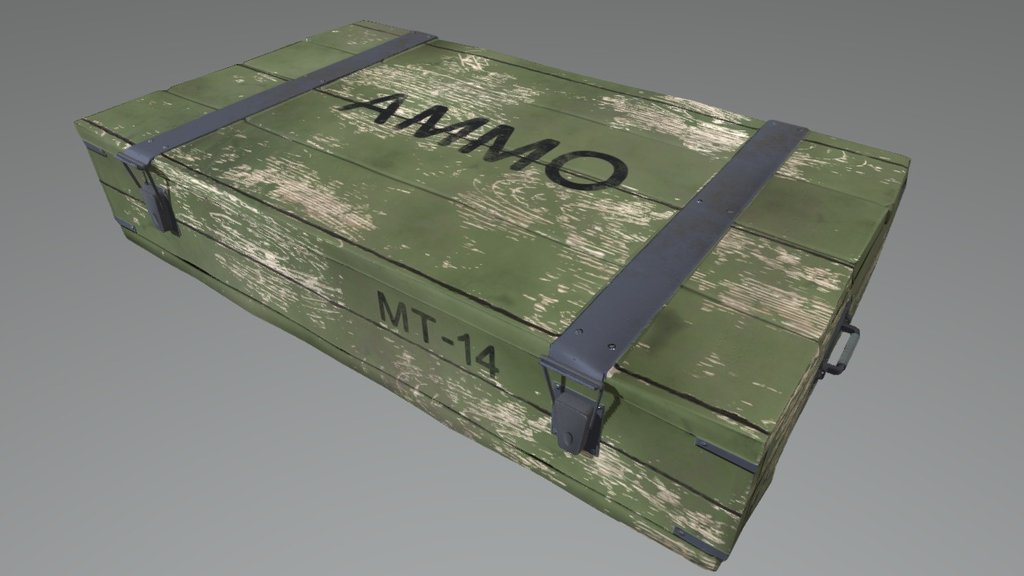
When picking from in stock ammunition, your choice between **FMJ, hollow point, and soft point** really comes down to what the round will actually do. Full metal jacket rounds are your go-to for range practice and plinking—they’re affordable, feed reliably, and punch clean holes without expanding. Hollow points are for self-defense; they expand on impact to stop threats faster while reducing over-penetration risks. Soft points sit in the middle, giving controlled expansion for hunting, especially with lever guns or slower calibers. Match the bullet’s purpose to your firearm’s twist rate and barrel length—heavier soft points need faster twists, while lighter FMJs handle slower ones fine.
- Check your barrel’s twist rate—it dictates which bullet weight stabilizes best.
- Use hollow points for carry or home defense, where expansion matters most.
- Reserve FMJs for target shooting to save cash and barrel wear.
- Pick soft points for hunting medium game, especially from tubular magazines.
Checking Your Owner’s Manual Before You Commit to a Purchase
Before buying any in stock ammunition, your first move is always the owner’s manual—not the sales shelf. The manual lists the exact pressure limits, cartridge overall length, and bullet weight range your firearm was tested with, so cross-reference those specs against the box’s printed data. For example, a lever-action manual may forbid spitzers, while a pistol’s manual might specify a minimum bullet seating depth for reliable feeding. If specialty sports and supply the manual calls for a specific velocity window, verify the round’s listed fps stays inside it. Skipping this step risks poor ejection, keyholing, or pressure spikes. Matching manual specs to available stock ensures the ammo you pick cycles safely and accurately.
Q: What if the manual only lists a caliber, not a specific bullet weight?
A: Use the manual’s pressure rating (e.g., SAAMI max) and the firearm’s action type—then choose the heaviest bullet within that pressure that the manual’s twist rate supports, since heavier loads often need slower-twist barrels.
Practical Tips for Stocking Up on Ready-to-Ship Cartridges
When stocking up on ready-to-ship cartridges, prioritize verified in-stock listings with immediate dispatch confirmations—not backorder promises. Always buy the exact grain weight and bullet type your firearm is zeroed for, since ready-to-ship inventory often shifts fast, leaving you with mismatched ammo if you hesitate. Check the shipping speed before checkout; if a seller offers only slow ground, factor in that your ready-to-ship supply is frozen in transit, not on your shelf. Buy in bulk in a single transaction to lock in the in-stock price, but verify the case count matches your storage capacity before ordering. Rotate your standing inventory by using the oldest cartridges at the range first, keeping your ready-to-ship reserve always fresh.
If you see the exact SKU you need marked in stock, complete the purchase immediately—do not browse for a better deal, because that stock will be gone.
Finally, track your monthly round count and 9.3x62mm Mauser Ammo for Sale reorder at 50% reserve to ensure you never face a zero-stock gap.
How Many Boxes Should You Buy for Training, Defense, or Hunting?
For training, buy enough to maintain your skill curve without exhausting your budget—typically 500 to 1,000 rounds per caliber per month if you shoot weekly. For defense, prioritize reliable self-defense loads in a smaller quantity: two to four boxes of 20 or 50 rounds, enough to verify function and load magazines. For hunting, purchase three to five boxes of your chosen load—sufficient for sight-in, field practice, and a full season. Always keep a buffer: one extra box beyond your planned use for each category.
- Training: 250–500 rounds per range session, scaled to your frequency.
- Defense: 50–100 rounds of your carry ammo for testing plus mags.
- Hunting: 60–100 rounds covers zeroing and a season’s hunts.
- Add one backup box per caliber for unexpected range days or malfunctions.
Storing Your Purchased Rounds to Preserve Primer and Powder Life
Once your in-stock ammunition arrives, immediately transfer rounds from the retail box into sealed, moisture-proof containers, such as heavy-duty ammo cans with rubber gaskets. Add desiccant packets to every container, then store them in a cool, dark place—ideally below 70°F—to slow chemical breakdown of the propellant and primer compounds. Avoid temperature swings that cycle condensation, as humidity is the primary enemy of primer sensitivity and powder stability. Rotate your stock by lot, using older rounds first, and never store ammo in attics or garages where heat accelerates degradation. Inspect every month for corrosion or loose bullets, discarding compromised cartridges. Proper storage protects primer and powder longevity for decades.
Sealed containers, desiccants, and stable cool temperatures ensure your purchased rounds keep their primer and powder effective for years.
Avoiding Common Mistakes When Mixing Brands and Lots
When mixing brands and lots from in stock ammunition, first verify the headstamp and catalog number on each box, as visually identical rounds can differ in pressure and velocity. Avoid combining lots in a single magazine or cylinder, since point-of-impact 9.3x72R Ammo for Sale shifts and cycling issues often stem from inconsistent propellant burn rates. Instead, keep each brand and lot separated in labeled bags, and fire a test group from each before committing to a bulk purchase. Record lot numbers alongside your zeroing data to replicate accurate loads later. This discipline prevents unpredictable accuracy degradation and potential malfunctions during critical use. Lot segregation is your safeguard.
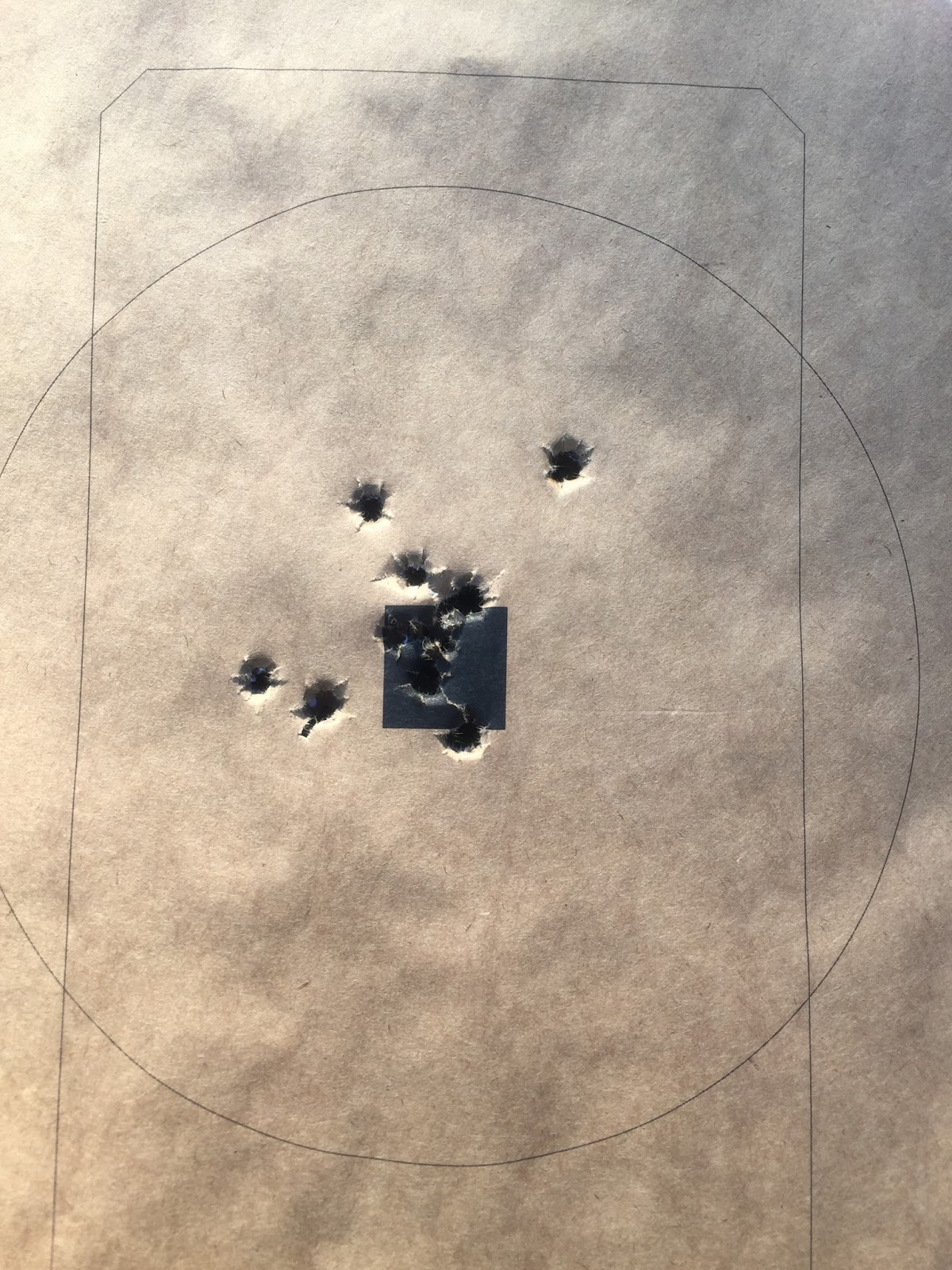
Never blend brands or lots without confirming their ballistic consistency; separate, test, and label every batch from your in-stock supply.
The Real Benefits of Buying Ammo That’s Available Right Now
Buying in stock ammunition right now eliminates the uncertainty of backorder delays, ensuring your range session or defensive loadout isn’t dependent on unknown fulfillment dates. The real benefit is immediate verification: you physically confirm the exact lot, grain weight, and casing type before money leaves your account, which prevents the disappointment of a mismatched order. When ammo is available now, you can also avoid the hidden cost of shipping fees spread across multiple partial shipments, as a single purchase covers your full need. Having rounds in hand allows for immediate function testing in your specific firearm, confirming reliability while you still have time to source an alternative if a jam occurs. This practical advantage means your training schedule stays intact, and your storage inventory reflects actual, not theoretical, capability.
Bypassing Long Wait Times for Your Upcoming Shooting Event
Securing in stock ammunition immediately eliminates the most unpredictable variable in event preparation: the fulfillment delay. When your shooting event has a fixed date, ordering ammo that ships now rather than on backorder guarantees you can complete zeroing sessions and function checks before you arrive. Bypassing long wait times for your upcoming shooting event means 9mm Ammo for Sale you can build a realistic practice schedule around your actual inventory instead of guessing when a backorder will arrive. Even a few days of buffer can separate a confident performance from a rushed, incomplete preparation. To execute this properly:
- Confirm the vendor’s ship time is under 48 hours before checkout.
- Match your required caliber and load data to what is physically in stock today.
- Order enough for both practice and event-day use in a single transaction.
Locking in Current Pricing on Boxes That Are Physically in the Warehouse
When you purchase ammunition that is already stocked in a warehouse, you immediately secure the listed price, bypassing any future cost adjustments. Locking in current pricing on physically available boxes protects you from supplier surcharges or manufacturer price hikes that often apply to backorders. Because the product is already paid for and allocated, the transaction is final at the point of sale, with no risk of Ammunition for Sale a “price at shipment” clause. This price certainty is a tangible advantage that only exists when inventory is physically present, not promised. You avoid the administrative hassle of refunds or supplemental invoices that can occur with delayed fulfillment.
- Confirms the exact dollar amount per box before checkout, with no hidden escalation fees.
- Eliminates the chance of a canceled order being repriced at a higher rate when stock arrives later.
- Allows you to budget accurately for bulk purchases since the total cost is fixed immediately.
Building a Consistent Supply for Zeroing Scopes and Testing Firearms
Establishing a consistent ammunition supply for scope zeroing demands buying the same lot number in bulk, as lot-to-lot variations shift point of impact. When testing firearms, a dedicated inventory of match-grade or preferred defensive loads ensures your zeroing session isn’t wasted on inconsistent velocity or pressure. Reserve this stock exclusively for confirmation drills and function tests, not plinking, so you always have verified data. *A rifle’s zero is only as reliable as the ammunition it was established with, making cached rounds non-negotiable for repeatable accuracy.*
Q: How much reserve ammo is needed for reliable scope zeroing and firearm testing?
A: Keep at least 100 rounds per firearm from a single batch—roughly 30 to establish a baseline zero, 20 to confirm at distance, and 50 for cycling and reliability testing across different 9×18 Makarov Ammo for Sale magazines.
Your Quick Checklist Before Adding Ready-to-Ship Rounds to Your Cart
Before you finalize an order for in 7mm Rem Mag Ammo for Sale stock ammunition, run a rapid caliber and firearm compatibility check—verify the cartridge designation matches your barrel stamp exactly, including +P or subsonic variants. Confirm the bullet weight aligns with your rifle’s twist rate or pistol’s recoil spring; a wrong grain can cause malfunctions or keyholing. Inspect the listed condition (new, remanufactured, or pulled) and ensure the casing type suits your reloading or storage plans. Check the shipping restrictions for your state and county before clicking “add,” since many ready-to-ship rounds cannot be legally delivered to certain zip codes. Finally, compare the round count per box and price per round—bulk packs may save money but add weight and hazmat fees. Confirm the product page states “in stock” and not “backorder,” then proceed.

Verifying Quantity, Pack Size, and Cost Per Round at Checkout
Before you hit that final button, double-check the total cost per round—not just the sticker price on the box. That means dividing the listed price by the actual number of cartridges inside, since a “value” pack of 50 might cost more per bullet 7mm Rem Ultra Mag Ammo for Sale than a 100-round box from another brand. Also, verify the pack size matches what you expect to receive, especially when a listing shows a photo of a different quantity. Sometimes, the cheapest upfront option isn’t the best deal once you do the math. Finally, confirm the cart reflects the correct quantity and pack size before paying, so you’re not surprised by a higher per-round charge at checkout.
Always confirm the exact cartridge count, pack size, and calculated cost per round before completing your purchase to avoid overpaying.
Confirming Your Shipping Address Allows Direct Doorstep Delivery
Before you finalize that in-stock ammunition order, a quick address check unlocks the smoothest path to your front door. Confirming your shipping address allows direct doorstep delivery, eliminating frustrating redirects or missed-drop hiccups. Start by verifying the exact street number and ZIP code match your card’s billing record—carriers flag mismatches instantly. Next, scan for any unit, apartment, or gate code details; omitting them forces a depot pickup instead of a home drop. Finally, ensure the address is current and free of typos, since a single digit error can reroute your rounds to a neighbor. A thirty-second review here guarantees your ammunition arrives exactly where you expect it, no detours. That’s it—check, confirm, and let the carrier handle the rest.
Reviewing Return and Exchange Policies for Unopened Boxes
Before finalizing ready-to-ship ammunition, inspect the seller’s return policy for unopened boxes—most retailers treat ammo as final sale due to hazmat 6mm Remington Ammo for Sale and liability, but some offer limited exchanges for factory defects. Confirm whether the policy covers only unopened, factory-sealed boxes and what documentation (photos, lot numbers) you must provide. Verify restocking fees and return windows for unopened cartons, since a 15% fee can erase savings on bulk rounds. Also, check if the exchange process requires you to cover return shipping, which often exceeds the cost of the ammunition itself. If the policy is vague, ask directly via chat or email before paying—a clear, written answer protects your purchase. Unopened box exchanges are rarely straightforward, so prioritize sellers who explicitly guarantee replacement for manufacturing issues.
Always read the fine print on unopened-box returns before checkout; confirm fees, windows, and defect coverage to avoid costly dead ends.